






Technological Innovation of Gate Valves and Knife Gate Valves: Empowering Diversified Needs of Industrial Fluid Control
2025-12-03
Amid the global wave of intelligent and green industrial transition, fluid control equipment, as key infrastructure, is undergoing targeted technological upgrades. With their unique structural designs and performance advantages, gate valves and knife gate valves play core roles in conventional fluid transportation and harsh working condition handling respectively. They have become indispensable "flow stewards" in multiple fields such as petrochemicals, municipal engineering, and mining. Their material innovation, structural optimization, and application expansion are driving industrial fluid control towards higher efficiency, reliability, and stronger adaptability.
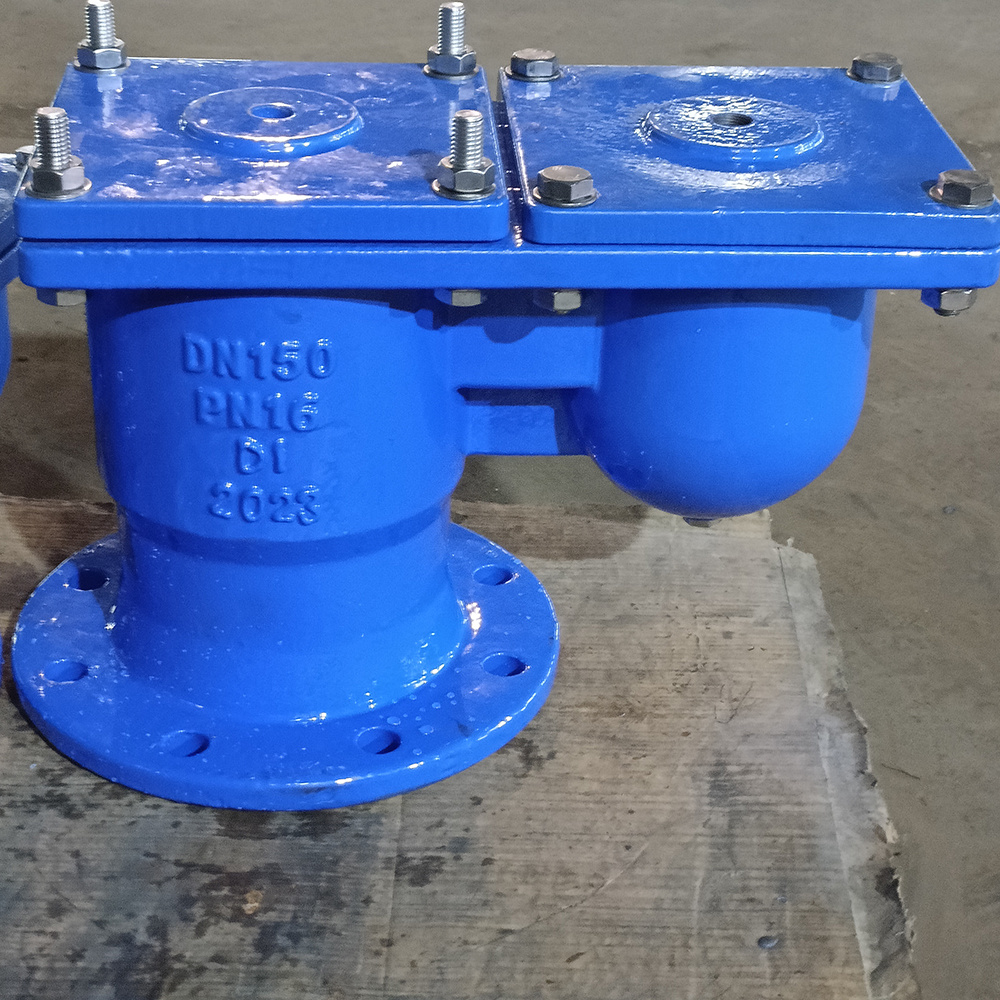
As classic equipment in the fluid control field, conventional gate valves have always dominated the market with stability and versatility. Their material selection features precise adaptation: cast iron, with high cost-performance, is the first choice for non-corrosive environments and widely used in urban water supply pipelines; carbon steel, with excellent structural strength, adapts to high-pressure industrial scenarios and supports long-distance transportation of oil and natural gas; stainless steel, with super corrosion resistance, copes with corrosive fluids such as acids and alkalis in the chemical industry; the rise of ductile iron, which balances cost advantages and mechanical properties, has become a new favorite in the general industrial field. Structurally, gate valves adopt the precise fit between the gate and the valve seat, realizing flow control by driving the gate to lift vertically through the valve stem. The rising stem design facilitates intuitive monitoring of valve status, while the non-rising stem structure saves installation space, adapting to different working condition requirements. In practical applications, from the daily switching of water supply systems in residential buildings to the pipeline isolation in large refineries, gate valves ensure the stability of fluid transportation with low flow resistance and easy operation. Especially in scenarios requiring full opening or closing, their sealing performance and durability have been widely recognized by the industry.
Targeting harsh working conditions such as viscous media and particle-containing fluids, knife gate valves (also known as slide gate valves) fill the application gap of conventional valves with professional design. Different from ordinary gate valves, the core innovation of knife gate valves lies in their sharp wedge-shaped gates. These components are mostly made of high-grade stainless steel or tungsten carbide, integrating cutting and sealing functions, which can easily break down fiber impurities or solid particles in fluids and avoid pipeline blockage. The interior of the valve body is equipped with rubber, polyurethane, or PTFE linings, which not only enhance sealing performance but also reduce the wear of abrasive media on the equipment, extending the service life. Structurally, knife gate valves optimize the flow channel design to reduce dead zone residue, making them particularly suitable for sludge transportation in sewage treatment plants, mineral slurry control in mines, and viscous material transmission in the food processing industry. In a large mining project, knife gate valves successfully solved the problems of traditional valves being easily worn by slag and frequent failures, extending the equipment maintenance cycle by 3 times and significantly reducing production costs.
Technological innovation has always been the core driving force for the development of the valve industry. Today, both types of valves have made breakthroughs in operation methods. In addition to traditional manual handwheel control, the application of pneumatic and electric actuators has made automatic control possible, meeting the remote control needs of large industrial systems. Innovations in the material field are constantly upgrading. The application of high-end materials such as titanium alloy in special corrosive environments has further expanded the adaptation range of valves; the optimization of sealing technology has effectively reduced leakage risks, helping the industrial field achieve energy conservation and emission reduction goals. With the rise of emerging industries such as new energy and environmental protection, valve enterprises are conducting customized R&D for different scenarios. For example, high-pressure resistant gate valves designed for the photovoltaic industry and wear-resistant knife gate valves upgraded for the sewage treatment industry are empowering the development of segmented fields with precise adaptability.
In the future, with the in-depth penetration of Industry 4.0 technology, gate valves and knife gate valves will advance towards intelligence and digitalization. Functions such as remote status monitoring, fault early warning, and automatic adjustment will be gradually popularized, realizing precise management of fluid control; the R&D of green materials and the improvement of recycling technology will further reduce the environmental impact of equipment throughout its life cycle. As core equipment for industrial fluid control, the technological innovation of gate valves and knife gate valves is not only related to the production efficiency of individual enterprises but also will provide solid infrastructure support for the high-quality development of global industry, continuously releasing core value in meeting diversified needs.
Previous page
Previous page
Veyron Valve (Tianjin) Co., Ltd.
Tel:+86 13821711216
Wechat/whatsapp:+86 13821711216
E-mail:anna@veyronvalve.com
Address:No.30,Xiaozhan Industrial park,Jinnan District,Tianjin,China