






Gate Valve – Core Component for Fluid Control
2025-11-03
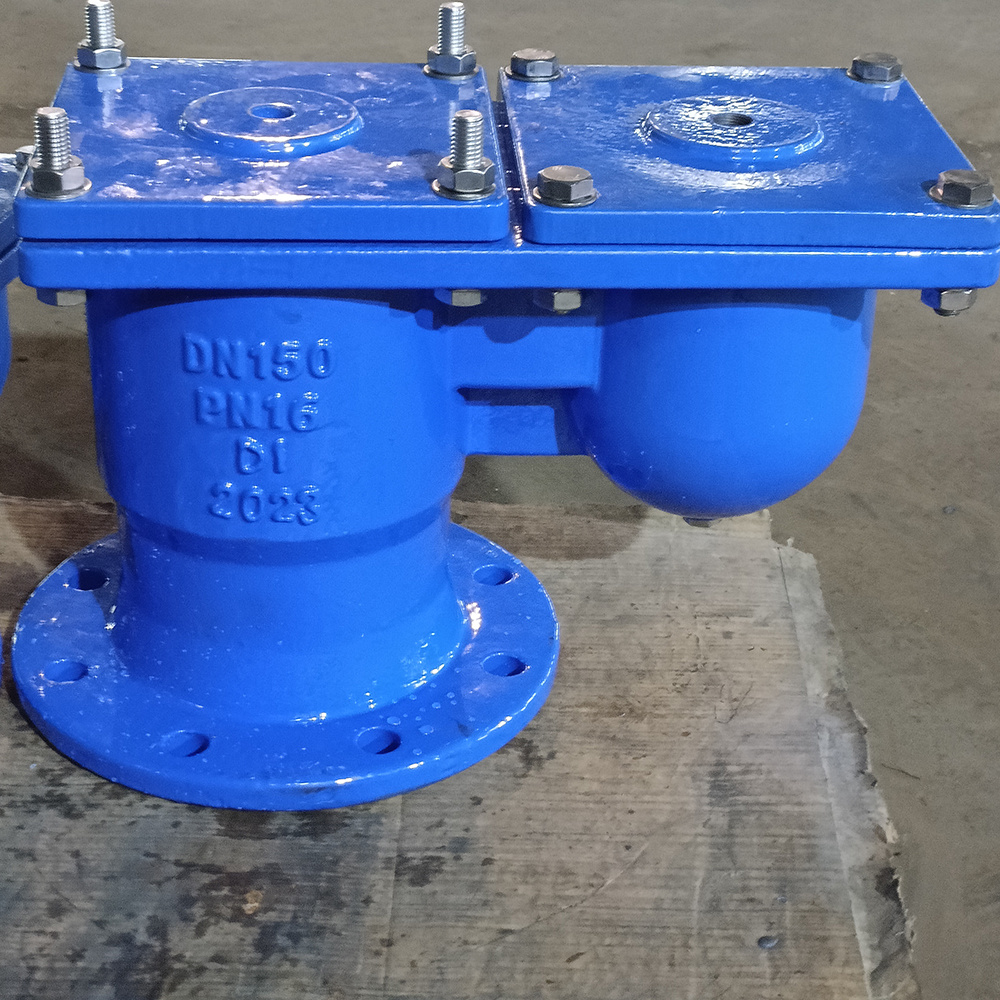
A gate valve serves as a pivotal device in fluid-handling systems across industries, from municipal water supply to industrial manufacturing. Constructed primarily from durable metals, it often adopts cast iron for cost-efficient performance in non-corrosive settings, carbon steel for enhanced structural strength under high pressure, or stainless steel to resist corrosive fluids like chemicals or saltwater.
Its design features simplicity paired with remarkable reliability. The key moving element is a flat or wedge-shaped gate that regulates flow by sliding vertically up and down within the valve body via a connected stem. The valve body acts as a robust protective enclosure, housing all internal components securely while maintaining tight sealing against external leaks.
Functionally, gate valves are engineered specifically for full opening or complete closure of pipelines. Throttling is strongly discouraged, as partial flow can cause excessive wear to the gate and sealing seat, leading to reduced service life. A typical application is in water supply networks, where they shut off water flow during maintenance work or emergency repairs to ensure worker safety.
Operation is straightforward and intuitive: rotating the handwheel clockwise lowers the gate to close the valve, while counter-clockwise rotation lifts the gate to open it. This user-friendly mechanism makes it adaptable for both large industrial facilities and small-scale residential plumbing systems.
Veyron Valve (Tianjin) Co., Ltd.
Tel:+86 13821711216
Wechat/whatsapp:+86 13821711216
E-mail:anna@veyronvalve.com
Address:No.30,Xiaozhan Industrial park,Jinnan District,Tianjin,China