





Choosing the Right Rubber Seated Butterfly Valve for Your Industrial Needs
2025-12-05
Choosing the Right Rubber Seated Butterfly Valve for Your Industrial Needs
Table of Contents
- 1. Introduction to Rubber Seated Butterfly Valves
- 2. Understanding Rubber Seated Butterfly Valves
- 3. Key Features and Benefits of Rubber Seated Butterfly Valves
- 4. Applications in Industrial Settings
- 5. How to Select the Right Rubber Seated Butterfly Valve
- 6. Maintenance and Care for Longevity
- 7. Troubleshooting Common Issues
- 8. Frequently Asked Questions
- 9. Conclusion
1. Introduction to Rubber Seated Butterfly Valves
In today's industrial landscape, efficient fluid control is paramount. **Rubber seated butterfly valves** stand out as a versatile and reliable solution for managing the flow of various liquids and gases. These valves are widely used across multiple industries due to their simplicity, durability, and cost-effectiveness. In this article, we delve into the specifics of choosing the right rubber seated butterfly valve for your unique industrial needs.
2. Understanding Rubber Seated Butterfly Valves
Rubber seated butterfly valves feature a disc that pivots on a shaft, opening and closing the flow path. The valve is designed with a rubber seat that provides a tight seal when closed, preventing leakage. This design not only enhances performance but also minimizes wear on the valve components.
Types of Rubber Seated Butterfly Valves
There are several types of rubber seated butterfly valves, including:
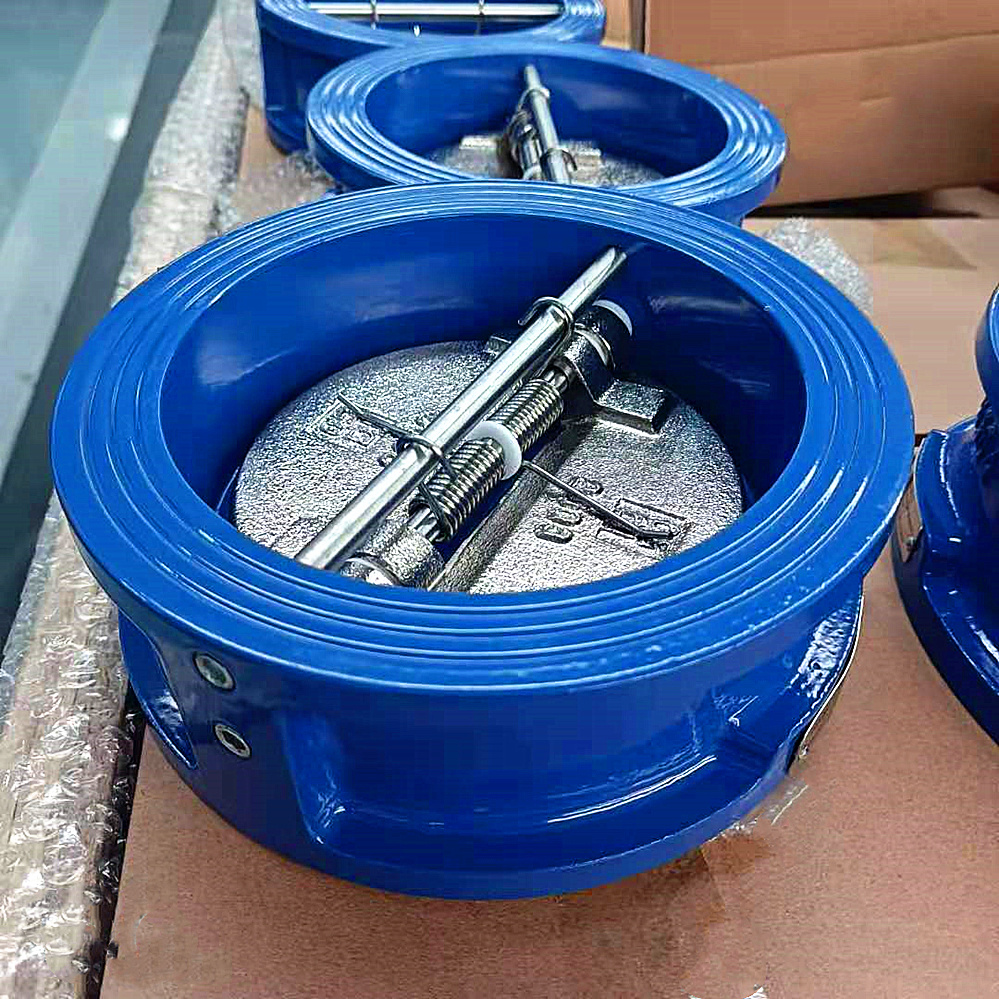
- **Wafer Style**: Ideal for confined spaces, these valves fit between flanges.
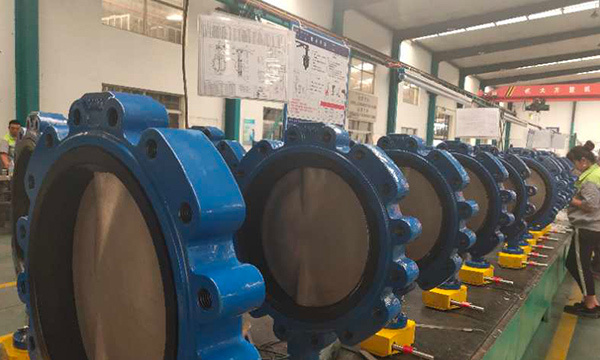
- **Lug Style**: These can be installed in a dead-end application, providing versatility.
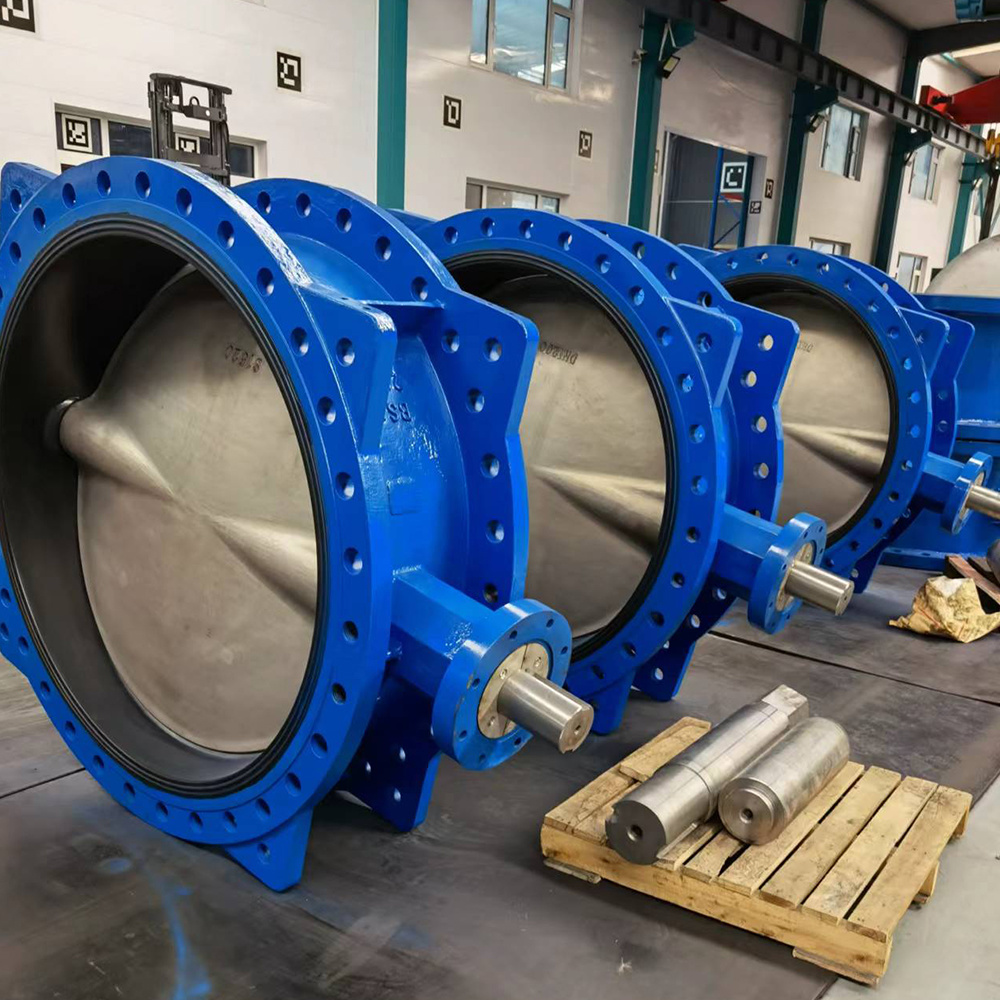
- **Double Flanged**: Designed for heavy-duty applications, these valves offer robust sealing and stability.
3. Key Features and Benefits of Rubber Seated Butterfly Valves
Rubber seated butterfly valves boast several features that make them an excellent choice for industrial applications:
Compact Design
The compact nature of rubber seated butterfly valves allows for space-saving installations, making them ideal for various setups.
Low Operating Torque
These valves require minimal effort to operate, which translates to less wear and tear over time and reduced energy consumption.
Corrosion Resistance
Most rubber materials used in these valves exhibit excellent resistance to corrosion, making them suitable for harsh environments.
Cost-Effectiveness
With lower manufacturing and maintenance costs, rubber seated butterfly valves offer a budget-friendly solution for fluid control.
4. Applications in Industrial Settings
Rubber seated butterfly valves find applications across numerous sectors, including:
Water Treatment Plants
In water treatment facilities, these valves regulate water flow and help control pressure, ensuring the efficient operation of the treatment process.
Chemical Processing
The chemical industry utilizes rubber seated butterfly valves to manage corrosive chemicals while maintaining safety and efficiency.
Food and Beverage Industry
In food and beverage processing, these valves provide reliable operation while meeting stringent hygiene standards.
5. How to Select the Right Rubber Seated Butterfly Valve
Choosing the right rubber seated butterfly valve involves several critical considerations:
1. Determine the Application Requirements
Evaluate the specific requirements of your application, including the type of fluid, pressure, temperature, and flow rate.
2. Material Selection
Select a rubber material that is compatible with the fluid being managed. Common options include EPDM, Nitrile, and Neoprene.
3. Valve Size
Ensure that the valve size matches the piping system to maintain optimal flow and prevent bottlenecks.
4. Pressure Ratings
Review the pressure ratings of the valve to ensure they align with your system's operating conditions.
5. Regulatory Compliance
Check that the selected valve meets relevant industry standards and regulations for safety and performance.
6. Maintenance and Care for Longevity
Proper maintenance is essential for the longevity and reliability of rubber seated butterfly valves:
Regular Inspections
Conduct routine inspections to identify any signs of wear or damage.
Cleaning Procedures
Implement regular cleaning practices to prevent buildup of debris that could affect valve performance.
Lubrication
Apply appropriate lubricants to moving parts to ensure smooth operation.
7. Troubleshooting Common Issues
Even with proper maintenance, issues may arise. Here are some common problems and their solutions:
Leakage
If leakage occurs, inspect the rubber seat for damage or wear. Replace the seat if necessary.
Sticking Valve
A sticking valve may require lubrication or cleaning to free it up.
Operational Difficulties
If the valve is difficult to operate, check for mechanical obstructions or damaged components.
8. Frequently Asked Questions
What is the lifespan of rubber seated butterfly valves?
The lifespan varies based on application and maintenance, but they typically last several years when properly cared for.
Are rubber seated butterfly valves suitable for high-pressure applications?
Yes, but you must ensure that the selected valve is rated for the specific pressure conditions of your system.
Can rubber seated butterfly valves handle abrasive materials?
While some rubber materials can withstand mild abrasives, it’s essential to select a valve designed for such conditions.
How often should I perform maintenance on these valves?
Regular inspections should be conducted quarterly, with more frequent checks in harsh operating conditions.
What are the key advantages of using rubber seated butterfly valves?
Key advantages include lower operating torque, corrosion resistance, compact design, and cost-effectiveness.
9. Conclusion
Selecting the right rubber seated butterfly valve for your industrial needs is crucial for ensuring operational efficiency and safety. By considering the application requirements, material compatibility, size, pressure ratings, and maintenance, you can make an informed decision that enhances the functionality of your systems. With regular maintenance and proper care, rubber seated butterfly valves can provide reliable service for many years, contributing to the smooth operation of your industrial processes.
rubber seated butterfly valve
Veyron Valve (Tianjin) Co., Ltd.
Tel:+86 13821711216
Wechat/whatsapp:+86 13821711216
E-mail:anna@veyronvalve.com
Address:No.30,Xiaozhan Industrial park,Jinnan District,Tianjin,China