





Efficiency Redefined: The Critical Role of Dual Check Valves in Enhancing Industrial Operations
2025-11-21
Efficiency Redefined: The Critical Role of Dual Check Valves in Enhancing Industrial Operations
Table of Contents
- 1. Introduction to Dual Check Valves
- 2. Understanding Dual Check Valves
- 3. Mechanism and Functionality of Dual Check Valves
- 4. Advantages of Using Dual Check Valves in Industrial Settings
- 5. Applications of Dual Check Valves in Various Industrial Systems
- 6. Installation and Maintenance of Dual Check Valves
- 7. Common Issues and Troubleshooting Tips
- 8. Future Trends in Dual Check Valve Technology
- 9. Conclusion
- 10. Frequently Asked Questions (FAQs)
1. Introduction to Dual Check Valves
In the fast-paced world of industrial operations, efficiency is paramount. Dual check valves emerge as essential components in a variety of systems, enhancing operational reliability and performance. Their unique design and functionality help mitigate risks associated with fluid flow, making them indispensable in numerous industrial applications.
2. Understanding Dual Check Valves
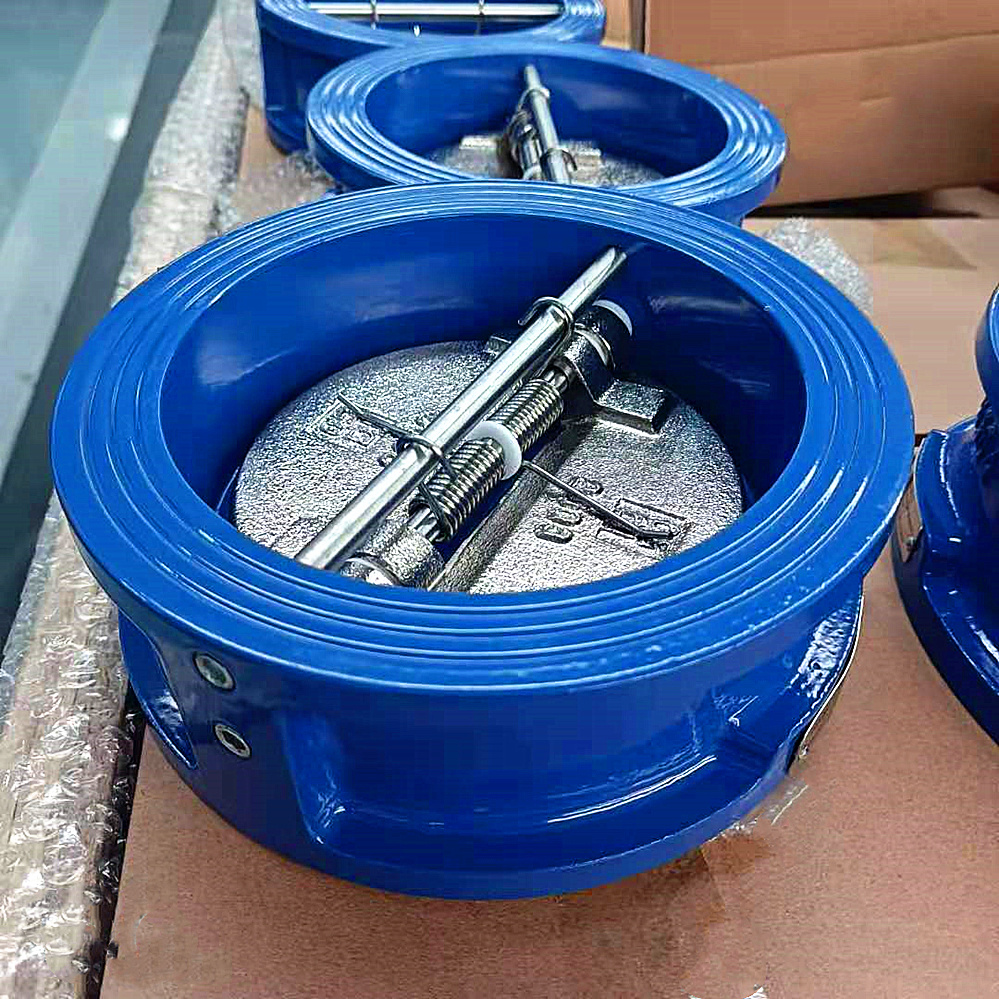
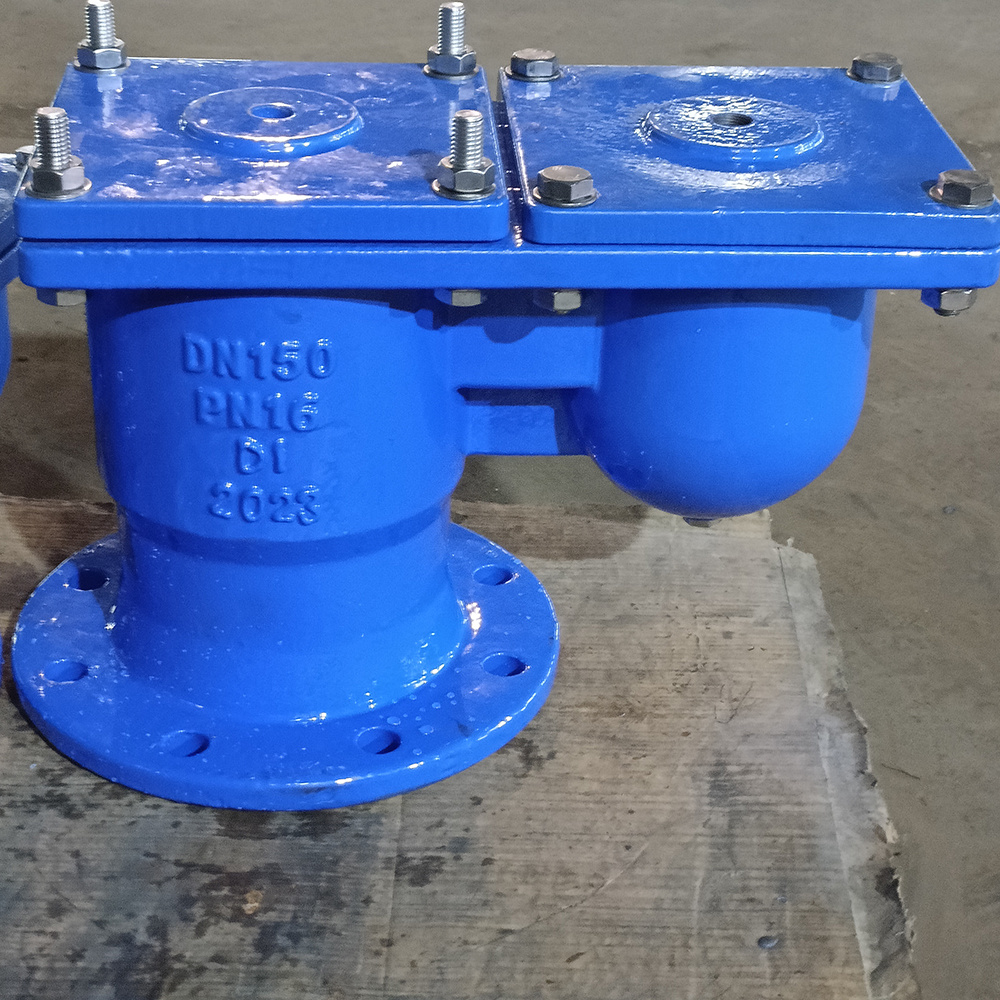
Dual check valves, also known as double check valves, are devices used to prevent backflow in piping systems. They consist of two independent check mechanisms that work simultaneously to ensure that fluids flow in one direction only. By maintaining a unidirectional flow, these valves protect equipment from contamination and preserve system integrity.
How They Work
When fluid passes through the valve in the intended direction, it lifts the check elements, allowing flow. Should there be any backpressure or reverse flow, the check elements seal off, preventing the fluid from flowing back into the source. This two-pronged approach increases the reliability of the system.
3. Mechanism and Functionality of Dual Check Valves
The functionality of dual check valves lies in their engineering. These valves are typically composed of robust materials that ensure durability and performance even in challenging environments.
Components of Dual Check Valves
Key components include:
- **Valves**: The primary parts that open and close to regulate flow.
- **Spring Mechanism**: Ensures that the valve closes tightly if backflow occurs.
- **Seals**: Prevent leaks and maintain pressure integrity.
Operational Efficiency
The operational efficiency of dual check valves is enhanced by their design. They require minimal maintenance and can operate effectively across various temperature and pressure ranges, making them suitable for diverse industrial settings.
4. Advantages of Using Dual Check Valves in Industrial Settings
Implementing dual check valves in industrial operations offers several advantages that significantly enhance system performance.
4.1 Prevention of Backflow
One of the foremost benefits of dual check valves is their ability to prevent backflow. This is crucial in industries where contamination is a significant concern, such as pharmaceuticals and food processing.
4.2 Enhanced System Efficiency
By ensuring that fluids flow in a single direction, dual check valves contribute to overall system efficiency. They reduce the risk of costly downtimes due to leaks or reverse flow issues, allowing for smoother operations.
4.3 Cost-Effectiveness and Durability
Investing in dual check valves can lead to long-term savings. Their durable construction minimizes the frequency of replacements and repairs, yielding a high return on investment.
5. Applications of Dual Check Valves in Various Industrial Systems
Dual check valves find applications across various industries, each benefiting from their unique properties.
5.1 Water Treatment Facilities
In water treatment facilities, dual check valves prevent contamination of potable water supplies, ensuring that treated water remains clean and safe for consumption.
5.2 Oil and Gas Industry
In the oil and gas sector, these valves help maintain the integrity of pipelines and prevent hazardous backflow, protecting both personnel and the environment.
5.3 Food and Beverage Processing
Food and beverage producers utilize dual check valves to ensure compliance with health regulations, maintaining product safety by preventing cross-contamination.
6. Installation and Maintenance of Dual Check Valves
Proper installation and maintenance are vital for the effective operation of dual check valves.
Installation Guidelines
When installing dual check valves, it’s essential to:
- Ensure correct orientation as marked on the valve body.
- Install upstream of pumps and downstream of pressure regulators.
- Regularly check for proper alignment and function.
Maintenance Tips
Routine maintenance includes:
- Inspecting seals and springs for wear.
- Cleaning the valve to remove any debris.
- Testing the functionality periodically to ensure reliability.
7. Common Issues and Troubleshooting Tips
While dual check valves are generally reliable, certain issues may arise.
Leakage
If a dual check valve is leaking, it may indicate a worn seal or misalignment. Regular inspections can help identify and rectify these problems before they escalate.
Sticking Valves
Valves can sometimes stick due to debris or corrosion. Routine cleaning and maintenance are crucial to avoid this issue.
8. Future Trends in Dual Check Valve Technology
The future of dual check valves looks promising with advancements poised to enhance their functionality. Innovations in materials and smart technology integration could further improve their efficiency and reliability in industrial applications.
9. Conclusion
Dual check valves play a vital role in enhancing efficiency and reliability in industrial settings. Their ability to prevent backflow, improve system efficiency, and offer cost savings makes them indispensable components in a wide array of applications. By understanding their mechanisms, advantages, and maintenance needs, industry professionals can harness the full potential of these valves, ensuring optimal performance in their operations.
10. Frequently Asked Questions (FAQs)
What is the primary function of a dual check valve?
The primary function of a dual check valve is to prevent backflow in piping systems, ensuring that fluids flow in one direction only.
In what industries are dual check valves most commonly used?
Dual check valves are commonly used in the water treatment, oil and gas, and food and beverage processing industries.
How do I know if my dual check valve is functioning properly?
You can check if a dual check valve is functioning properly by inspecting for leaks, ensuring that the valve opens and closes freely, and testing for backflow.
What maintenance is required for dual check valves?
Regular maintenance for dual check valves includes inspecting seals and springs, cleaning the valve, and testing its functionality.
Can dual check valves be repaired, or do they need to be replaced?
In many cases, dual check valves can be repaired by replacing worn components. However, if the valve is severely damaged or corroded, replacement may be necessary.
Dual check valve
Veyron Valve (Tianjin) Co., Ltd.
Tel:+86 13821711216
Wechat/whatsapp:+86 13821711216
E-mail:anna@veyronvalve.com
Address:No.30,Xiaozhan Industrial park,Jinnan District,Tianjin,China