



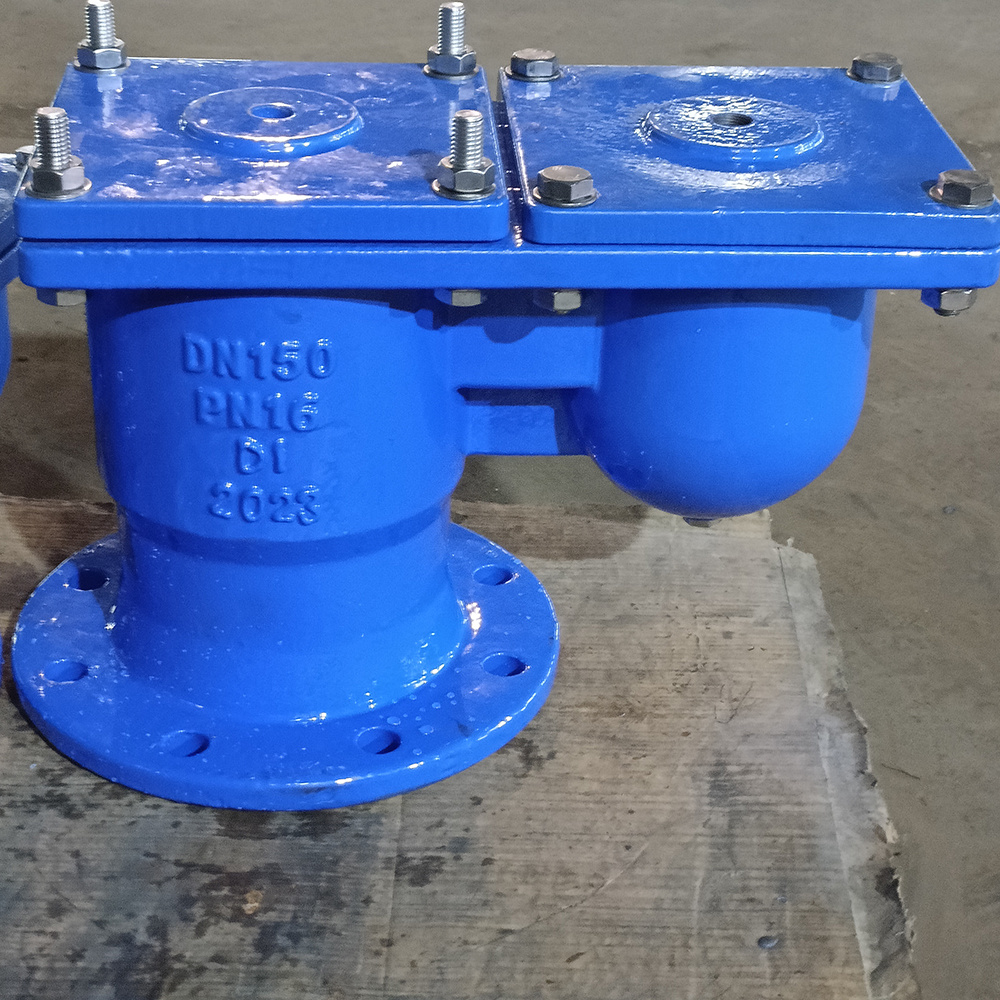



Innovative Approaches to Maintenance of Flange Butterfly Valve: Ensuring Optimal Performance and Longevity
2025-11-07
Innovative Approaches to Maintenance of Flange Butterfly Valve
Table of Contents
- 1. Introduction to Flange Butterfly Valves
- 2. Understanding the Importance of Maintenance
- 3. Common Issues Faced with Flange Butterfly Valves
- 4. Innovative Maintenance Techniques
- 4.1 Predictive Maintenance
- 4.2 Condition-Based Maintenance
- 4.3 Smart Technologies in Valve Maintenance
- 5. Best Practices for Maintaining Flange Butterfly Valves
- 6. The Role of Training and Expertise
- 7. Case Studies and Success Stories
- 8. Frequently Asked Questions
- 9. Conclusion
1. Introduction to Flange Butterfly Valves
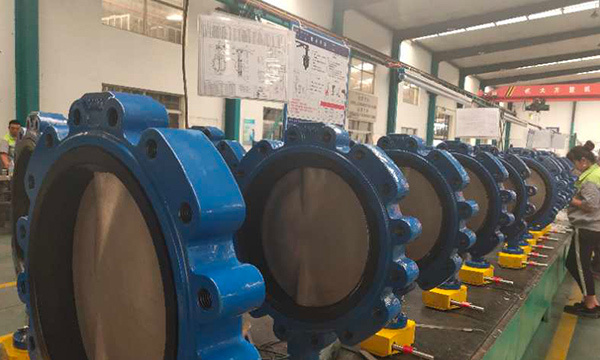
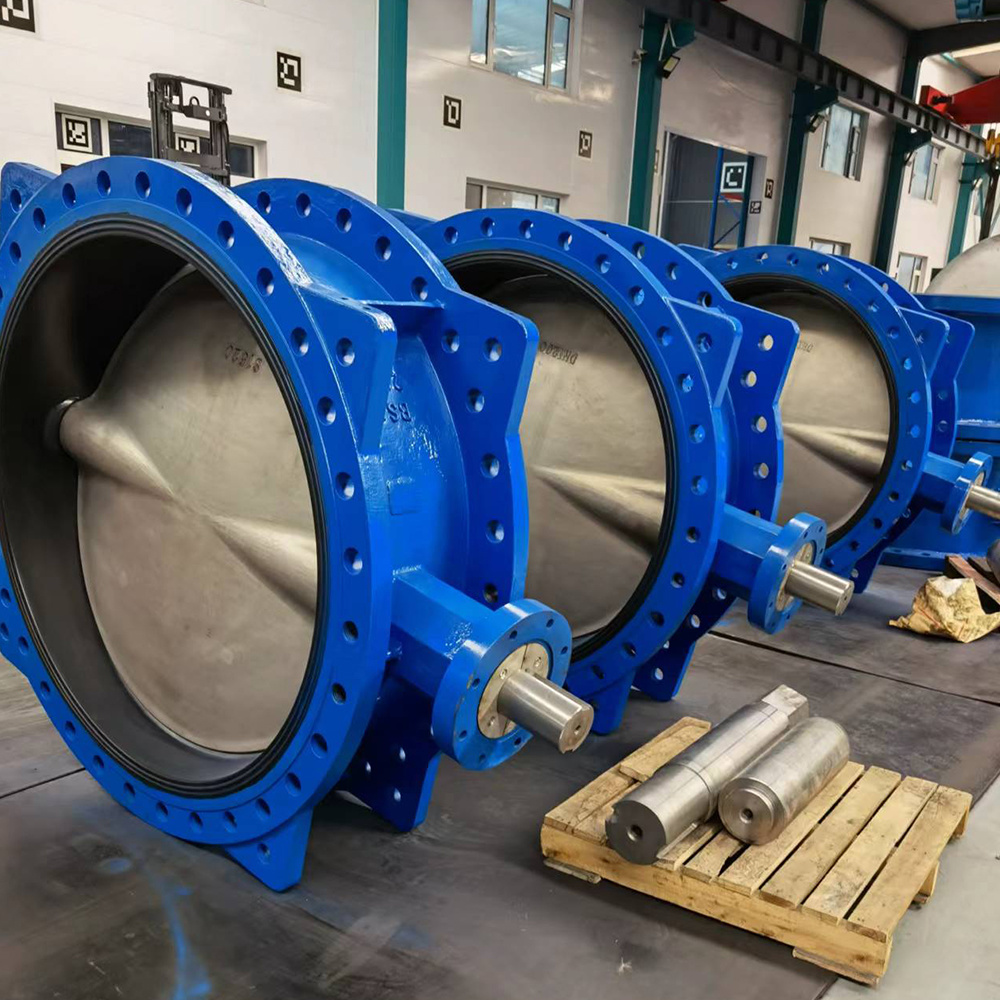
Flange butterfly valves play a crucial role in controlling fluid flow in various industrial applications. These valves are characterized by their simple design, which features a rotating disc that regulates the flow of liquids and gases. Due to their compact size, lightweight nature, and ability to handle a wide range of pressures and temperatures, flange butterfly valves are widely used in sectors such as oil and gas, water treatment, and chemical processing.
2. Understanding the Importance of Maintenance
Proper maintenance of flange butterfly valves is essential for ensuring optimal performance and longevity. Regular maintenance reduces the risk of malfunctions, prevents costly downtimes, and enhances system efficiency. Neglecting maintenance can lead to increased wear and tear, resulting in leaks, poor flow control, and even catastrophic failures. Therefore, implementing innovative maintenance approaches is vital for maximizing the reliability of these critical components.
3. Common Issues Faced with Flange Butterfly Valves
Flange butterfly valves, while efficient, can face several common issues that hinder their performance:
1. **Leakage**: Over time, seal degradation can lead to leaks, raising safety concerns and operational inefficiencies.
2. **Corrosion**: Exposure to corrosive substances can weaken valve materials, leading to premature failures.
3. **Sticking or Jamming**: Accumulation of debris or sediment can cause the valve to stick or jam, affecting flow control.
4. **Worn Components**: Regular usage can lead to the wear of key components such as seals and bearings, necessitating replacement.
Recognizing these issues early can significantly enhance maintenance efforts.
4. Innovative Maintenance Techniques
To address the challenges faced in maintaining flange butterfly valves, several innovative maintenance techniques have emerged.
4.1 Predictive Maintenance
Predictive maintenance employs data analysis and monitoring tools to assess the condition of valves in real-time. By utilizing sensors and IoT technology, operators can predict potential failures before they occur. This proactive approach minimizes unexpected downtimes and allows for scheduled maintenance, which enhances operational efficiency.
4.2 Condition-Based Maintenance
Condition-based maintenance (CBM) focuses on monitoring the actual condition of the valve rather than following a fixed maintenance schedule. This technique uses various diagnostic tools to evaluate performance indicators such as vibration, temperature, and pressure. When anomalies are detected, maintenance can be performed to address issues before they escalate.
4.3 Smart Technologies in Valve Maintenance
The integration of smart technologies, such as AI and machine learning, has revolutionized valve maintenance strategies. Advanced algorithms can analyze vast amounts of data, identifying patterns and trends in valve performance. This information empowers maintenance teams to make informed decisions, optimizing maintenance schedules and resource allocation.
5. Best Practices for Maintaining Flange Butterfly Valves
Implementing best practices in maintenance can significantly improve the reliability of flange butterfly valves. Here are some key practices to consider:
1. **Regular Inspections**: Establish a routine inspection schedule to identify wear and tear, leaks, or other issues early.
2. **Use of Quality Parts**: Always use OEM parts for replacements to ensure compatibility and longevity.
3. **Training Personnel**: Equip maintenance teams with the necessary training to handle valve maintenance effectively and safely.
4. **Documentation**: Maintain thorough records of inspections, maintenance activities, and repairs to track performance over time.
5. **Environmental Considerations**: Ensure that the operating environment is conducive to the longevity of the valve, mitigating exposure to harsh conditions when possible.
6. The Role of Training and Expertise
The effectiveness of maintenance strategies largely depends on the skills and knowledge of personnel involved. Investing in training programs for maintenance staff is essential. A well-trained team can identify issues more accurately, implement innovative techniques effectively, and ensure safety standards are met.
Additionally, collaborating with valve manufacturers and industry experts can provide valuable insights into the latest technologies and maintenance practices, further enhancing operational efficiency.
7. Case Studies and Success Stories
Real-world examples illustrate the impact of innovative maintenance approaches on flange butterfly valves.
One notable case involved a chemical processing plant that integrated predictive maintenance techniques into their operations. By installing sensors on their butterfly valves, they were able to monitor performance metrics continuously. This proactive approach led to a 30% reduction in unexpected downtimes and significant cost savings associated with maintenance and repairs.
Another success story came from a water treatment facility that adopted condition-based maintenance practices. By utilizing diagnostic tools to assess valve conditions, they improved their maintenance efficiency, resulting in a notable decrease in leakage incidents and enhanced water flow management.
8. Frequently Asked Questions
1. What is a flange butterfly valve?
A flange butterfly valve is a type of valve that uses a rotating disc to regulate fluid flow. It is characterized by its simple design, making it suitable for various industrial applications.
2. Why is maintenance important for flange butterfly valves?
Maintenance is crucial for ensuring optimal performance, preventing leaks, and extending the lifespan of the valve. Regular maintenance reduces the risk of malfunctions and costly downtimes.
3. What are some common issues with flange butterfly valves?
Common issues include leakage, corrosion, sticking or jamming, and worn components. Identifying these issues early can enhance maintenance efforts.
4. How does predictive maintenance work?
Predictive maintenance involves using data analysis and monitoring tools to assess the condition of valves in real-time, predicting potential failures before they occur.
5. What are the best practices for maintaining flange butterfly valves?
Best practices include regular inspections, using quality parts, training personnel, maintaining documentation, and considering the environmental conditions in which the valves operate.
9. Conclusion
In conclusion, innovative approaches to the maintenance of flange butterfly valves are essential for ensuring optimal performance and longevity in industrial applications. By adopting predictive and condition-based maintenance techniques, integrating smart technologies, and implementing best practices, organizations can significantly enhance the reliability and efficiency of their operations. Investing in training and expertise further empowers maintenance teams to tackle challenges effectively. By staying proactive in maintenance strategies, industries can minimize downtimes, reduce costs, and ultimately secure a competitive edge in their respective fields.
flange butterfly valve
Veyron Valve (Tianjin) Co., Ltd.
Tel:+86 13821711216
Wechat/whatsapp:+86 13821711216
E-mail:anna@veyronvalve.com
Address:No.30,Xiaozhan Industrial park,Jinnan District,Tianjin,China