






When the Production Line Meets Strong Acids: How PTFE-Sealed Butterfly Valves Hold the Critical Line
2026-01-12
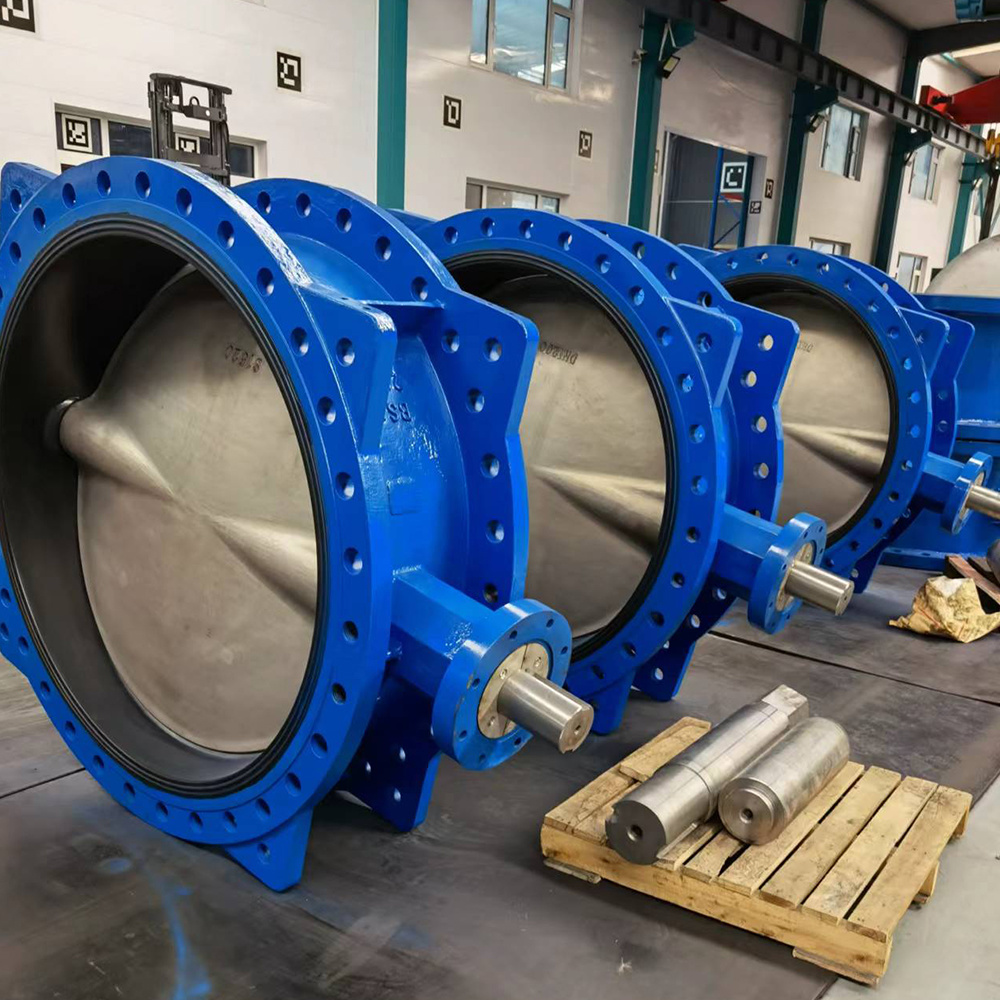
In the intricate network of pipes within a factory, the simple disc structure of a butterfly valve always stands out. It operates flexibly, opens and closes quickly, and has become the preferred choice for many engineers. But if you think all butterfly valves are similar, you might be overlooking a crucial technological upgrade—those utilising polytetrafluoroethylene, commonly known as PTFE, as the sealing material. These butterfly valves with PTFE seal models are quietly changing the game in some of the most demanding operating conditions.
Getting to Know the "Plastic King," PTFE
Within the industry, PTFE is often referred to as the "Plastic King." This nickname stems from the near-arrogant stability of this fully fluorinated polymer. Its molecular structure acts like a tight suit of armour, granting it several impressive characteristics.
Take its chemical inertness, for example. Concentrated sulfuric acid, sodium hydroxide solutions, various organic solvents… When faced with these media that make most materials retreat, PTFE remains largely unfazed. Its corrosion resistance list is as long as a chemistry manual.
Then there's temperature. From the deep cold of -200°C to the high heat of 260°C steam, its performance curve remains steady. What does this broad adaptability mean in practice? It means the same type of valve can be deployed in different corners of the plant, reducing spare part variety and simplifying management.
There's also its extremely low surface friction. Its coefficient of friction is only about 0.04, and it hardly adheres to anything. This not only makes valve operation smoother but fundamentally prevents media residue and cross-contamination—a natural advantage for the food and pharmaceutical industries.
The Advantages of PTFE Butterfly Valves: More Than Just Corrosion Resistance
Leveraging these material properties, butterfly valves featuring a PTFE seal demonstrate a range of tangible advantages.
Corrosion resistance is just the starting point. Compared to rubber or metal seals, PTFE's behaviour in the face of highly corrosive media is less about "resistance" and more akin to "indifference." In chemical plants or electroplating workshops, this characteristic directly translates to a lifespan several times longer than traditional valves. Maintenance personnel feel this most acutely: replacement frequency drops, and unplanned downtime decreases.
Its sealing method is quite clever. Under pressure, PTFE undergoes uniform elastic deformation, gently yet tightly conforming to the valve seat. This PTFE seal is not only reliable but can also achieve bidirectional zero leakage. For pipelines handling high-purity chemicals or sensitive media, this guarantee is crucial.
We often discuss equipment adaptability. A valve that can be used consistently from low-temperature liquid nitrogen lines all the way to high-temperature steam lines undoubtedly eases the burden on process design and equipment procurement. In industries like petrochemicals or energy, this stable performance across a wide temperature range makes it irreplaceable in many scenarios.
In the long run, its low maintenance needs and long service life are perhaps its most underrated benefits. Anti-aging, wear-resistant—these properties significantly increase its mean time between failures. Running the total cost calculation, the initial investment might be slightly higher, but the total cost of ownership over its lifecycle is often more competitive.
Where Are They Guarding Production?
Walk into a chemical processing plant, and on pipelines transporting various acids, alkalis, and solvents, PTFE butterfly valves are becoming increasingly common. They have become the standard configuration in many highly corrosive operating conditions, safeguarding production continuity and safety.
In the cleanrooms of pharmaceutical plants, any potential source of contamination must be eliminated. The inherent inertness and smooth surface of PTFE material also meet the stringent GMP requirements for preventing microbial growth and cross-contamination. Here, it is not just a valve but a link in the quality chain.
Food and beverage production lines require frequent cleaning. The non-stick and easy-clean properties of PTFE allow it to handle this cycle effortlessly. Moreover, it carries FDA certification for food contact.
In environmental engineering, such as wastewater treatment or flue gas desulfurization systems, the environment is complex and highly corrosive. The task of the butterfly valve with PTFE seal here is to maintain reliable operation and sealing despite long-term exposure to various chemical agents.
In power plants, from chemical water treatment to flue gas purification systems, high temperature, high pressure, and corrosive media often coexist. This combined operating condition is precisely the stage where PTFE-sealed butterfly valves can fully demonstrate their comprehensive performance.
Some Practical Considerations
Of course, no piece of equipment is universal. When actually selecting a PTFE-sealed butterfly valve, a few details deserve a closer look.
While PTFE offers outstanding corrosion resistance, it never hurts to verify compatibility with certain specific media or mixtures. The temperature and pressure ranges are broad, but during specific selection, it's best to leave some margin relative to the actual operating maxima.
During installation, correct orientation and method directly impact the lifespan and effectiveness of the sealing surface. This may sound like common sense, but many field issues originate precisely here. Establishing a regular preventive inspection habit—checking seal condition, ensuring smooth operation—comes at a much lower cost than emergency repairs after a failure.
The Future Direction
Technology always moves forward. Current PTFE butterfly valves already show new trends. For instance, material modifications to enhance specific properties, or designing composite seal structures for higher sealing grades. Some are even integrating IoT sensors for real-time condition monitoring and predictive maintenance. These explorations are continuously expanding the application boundaries of this valve type.
Looking back, the reason PTFE-sealed butterfly valves stand out from the crowd is not due to one dazzling parameter, but rather their solid and balanced performance across multiple dimensions: corrosion, temperature, sealing, and lifespan. In complex industrial settings, this kind of comprehensive reliability is often more valuable than a single champion. When selecting valves for a new production line or a renovation project, by comprehensively considering the media, operating conditions, and long-term needs, a PTFE butterfly valve often provides a quiet, enduring solution. It may not be flashy, but it consistently ensures controlled flow and smooth production at the most critical points. For those seeking such reliable performance, manufacturers like Veyron Valve have dedicated expertise in this area.
PTFE Seal,Butterfly Valve
Previous page
Previous page
Veyron Valve (Tianjin) Co., Ltd.
Tel:+86 13821711216
Wechat/whatsapp:+86 13821711216
E-mail:anna@veyronvalve.com
Address:No.30,Xiaozhan Industrial park,Jinnan District,Tianjin,China