



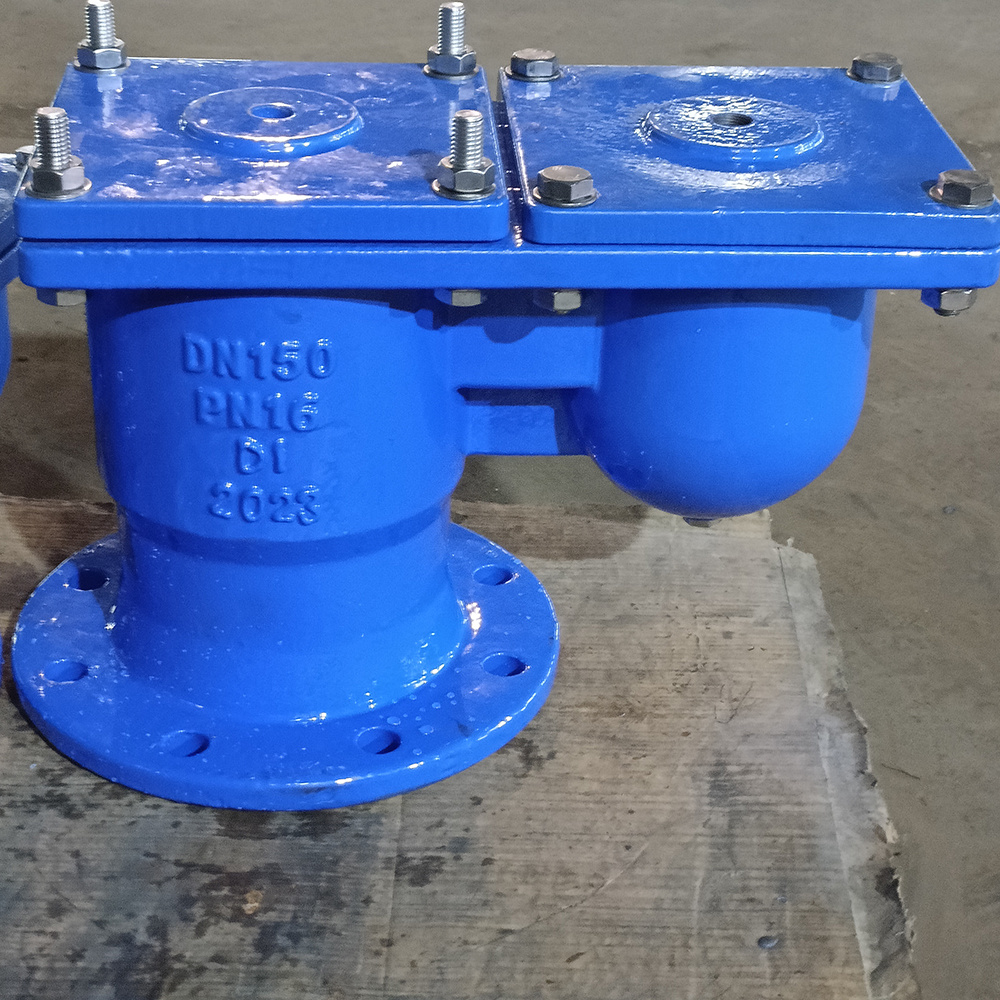



Wafer Butterfly Valves: Industrial-Grade Flow Control Essential
2026-01-27

Core Design & Working Mechanism
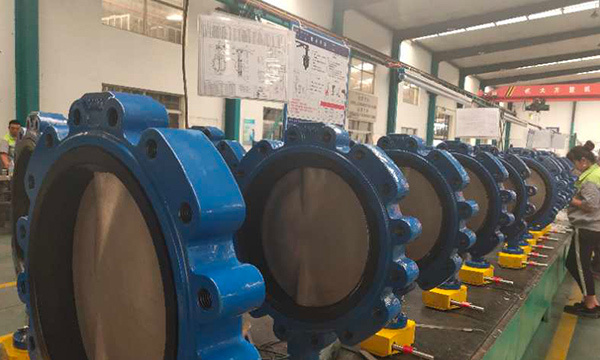
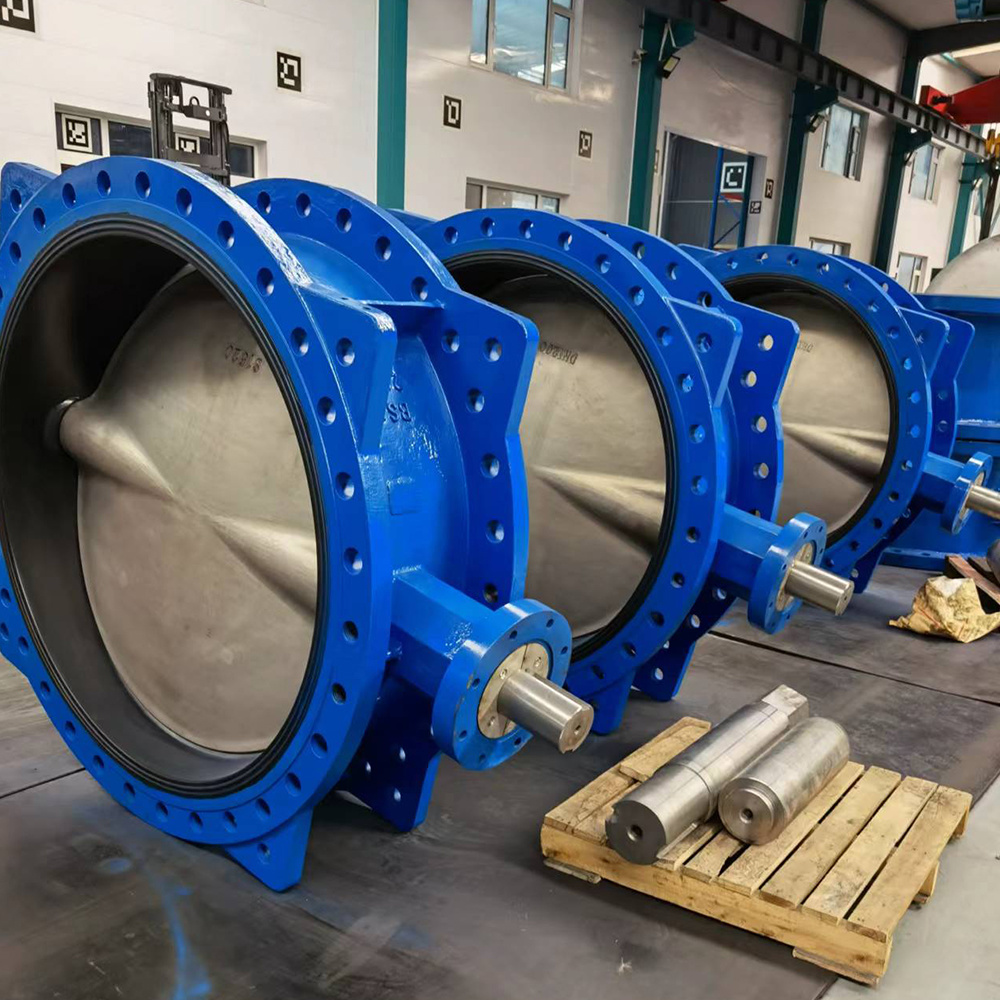
Structural Core: Features a thin, rotating disc (mounted on a central axis) that modulates flow—0° position fully shuts off fluid, 90° position enables full flow.
"Wafer" Design Edge: Sits directly between two pipe flanges, eliminating the need for heavy mounting hardware; cuts overall weight by 30–50% compared to traditional flange valves.
Sealing Performance: Typically meets ANSI Class IV–VI leakage standards, reliable for most industrial fluid control needs.
Standout Advantages for Industrial Use
Space-Saving Strength: Ultra-compact build (e.g., DN100 valve length = 100–150mm) shines in tight installations—critical for chemical plants, water treatment facilities with limited space.
Low Energy Loss: Thin disc minimizes flow resistance; full-open flow resistance coefficient (Kv) is only 0.2–0.5, far lower than gate valves (0.8–1.2) or globe valves (5–10).
Easy Handling: Lightweight (DN200 valve weighs ~15–20kg) simplifies on-site installation and reduces labor costs.

Material Selection: Tailored to Applications
Cast Iron (HT200/QT450): Ideal for low-pressure, normal-temperature scenarios (≤200℃, ≤1.6MPa) like municipal water supply or HVAC systems—cost-effective and easy to cast.
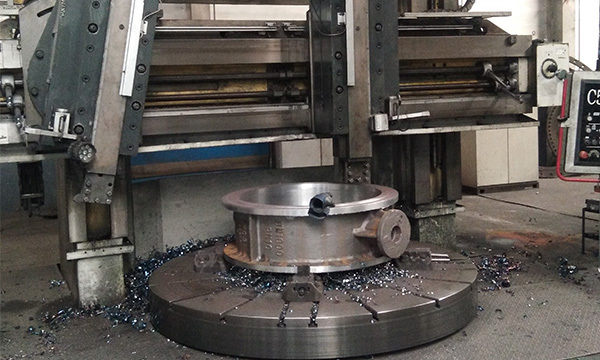
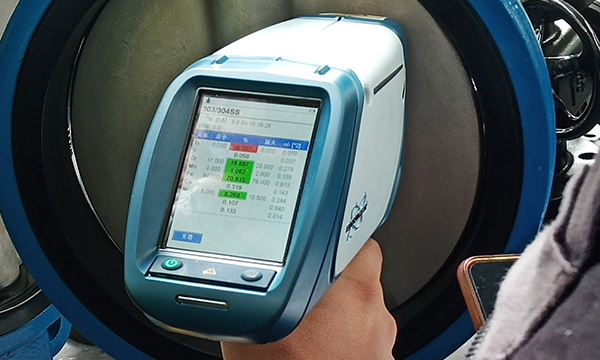
Stainless Steel (304/316L): Used for corrosive fluids (acids, alkalis); 316L adds molybdenum for chloride resistance (e.g., seawater treatment, chemical reagent pipelines).
Plastic (PVC/PP): Suits low-temperature, non-corrosive tasks (≤60℃, ≤1.0MPa) such as agricultural irrigation or industrial wastewater discharge—lightweight and rust-proof.
Versatile Industrial Applications
On/Off Control: Fast response (electric actuators switch 0°–90° in ≤5 seconds); used for water treatment sedimentation tank inlet/outlet regulation.
Throttling Regulation: Adjusts flow with ±5% precision; fits HVAC cooling water systems or chemical reactor feeding control.
High-Flow Compatibility: Handles DN50–DN3000 pipe diameters, delivering flow rates up to 1000m³/h—perfect for municipal water supply networks.
Key Implementation & Maintenance Tips
Sizing & Selection: Match valve diameter (DN), pressure rating (PN10–PN40/Class 150–300), and temperature range to fluid properties (corrosiveness, viscosity, particle content).
Installation Notes: Tighten flange bolts in diagonal order (e.g., M16 bolts need 35–40N·m torque) to avoid valve body deformation; ensure the valve stem is vertically oriented.
Routine Maintenance: Lubricate the valve stem every 6 months (use lithium-based grease); replace EPDM/PTFE seals every 2–3 years to maintain sealing performance.

Why It’s a Must-Have for Modern Industry
Multi-Functionality: Replaces 2–3 types of traditional valves (gate, globe) in most scenarios, reducing inventory costs.
Total Cost Savings: Lower procurement costs (20–30% cheaper than flange valves) + shorter installation time + minimal maintenance needs.
Industry Recognition: Widely adopted in chemical, food & beverage, municipal water, and HVAC sectors—proven for long-term reliable operation.

Wafer butterfly valve,butterfly,butterfly valve,vavle,lug valve,flanged valve
Next page
Veyron Valve (Tianjin) Co., Ltd.
Tel:+86 13821711216
Wechat/whatsapp:+86 13821711216
E-mail:anna@veyronvalve.com
Address:No.30,Xiaozhan Industrial park,Jinnan District,Tianjin,China