






Understanding Lug Butterfly Valves: Essential Insights for Industrial Applications
2026-02-09
Lug butterfly valves are crucial components in various industrial applications, particularly in the fields of fluid control and management. These valves combine a simple design with robust functionality, making them a preferred choice for numerous sectors. Understanding their structure and operational advantages can significantly enhance your decision-making process when selecting valves for specific applications.
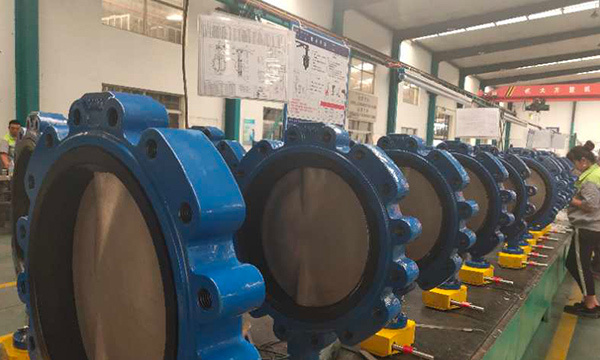
The lug design of butterfly valves refers to the mounting style where the valves can be installed between two flanges without the need for full support. This is particularly advantageous in situations where space is limited, or where it is essential to ensure easy maintenance. The key feature of lug butterfly valves is that they utilize a circular disc to control the flow of fluid, which can be rotated 90 degrees to either completely open or close the valve.
One of the primary benefits of lug butterfly valves is their lightweight design, which allows for easier transportation and installation. This can lead to reduced labor costs and improved efficiency during the setup process. Moreover, their compact nature means they can be fitted into tight spaces where larger valve types might not be feasible.
Another significant advantage of lug butterfly valves is their low-pressure drop across the valve. This characteristic ensures that they do not hinder flow, making them ideal for applications that require minimal resistance. Industries such as water treatment, HVAC systems, and chemical processing frequently employ these valves to optimize their operational efficiency.
In terms of materials, lug butterfly valves can be manufactured from a variety of substances, including stainless steel, cast iron, and plastics, making them suitable for different media types, ranging from water to corrosive chemicals. The choice of material impacts not only the valve's performance but also its longevity and resistance to wear and tear.
When selecting a lug butterfly valve, it’s crucial to consider the specific requirements of your application. Factors such as pressure ratings, temperature tolerances, and the nature of the fluid being controlled must be taken into account. Additionally, regular maintenance and inspection routines can greatly extend the lifespan of these valves, ensuring they perform reliably over time.
In summary, lug butterfly valves play an integral role in the efficient management of fluid systems across various industrial settings. Their unique design, ease of installation, and low pressure drop make them an excellent choice for many applications. By understanding the specific benefits and considerations associated with lug butterfly valves, professionals in the industrial sector can make informed decisions that enhance operational efficiency and reliability.
The lug design of butterfly valves refers to the mounting style where the valves can be installed between two flanges without the need for full support. This is particularly advantageous in situations where space is limited, or where it is essential to ensure easy maintenance. The key feature of lug butterfly valves is that they utilize a circular disc to control the flow of fluid, which can be rotated 90 degrees to either completely open or close the valve.
One of the primary benefits of lug butterfly valves is their lightweight design, which allows for easier transportation and installation. This can lead to reduced labor costs and improved efficiency during the setup process. Moreover, their compact nature means they can be fitted into tight spaces where larger valve types might not be feasible.
Another significant advantage of lug butterfly valves is their low-pressure drop across the valve. This characteristic ensures that they do not hinder flow, making them ideal for applications that require minimal resistance. Industries such as water treatment, HVAC systems, and chemical processing frequently employ these valves to optimize their operational efficiency.
In terms of materials, lug butterfly valves can be manufactured from a variety of substances, including stainless steel, cast iron, and plastics, making them suitable for different media types, ranging from water to corrosive chemicals. The choice of material impacts not only the valve's performance but also its longevity and resistance to wear and tear.
When selecting a lug butterfly valve, it’s crucial to consider the specific requirements of your application. Factors such as pressure ratings, temperature tolerances, and the nature of the fluid being controlled must be taken into account. Additionally, regular maintenance and inspection routines can greatly extend the lifespan of these valves, ensuring they perform reliably over time.
In summary, lug butterfly valves play an integral role in the efficient management of fluid systems across various industrial settings. Their unique design, ease of installation, and low pressure drop make them an excellent choice for many applications. By understanding the specific benefits and considerations associated with lug butterfly valves, professionals in the industrial sector can make informed decisions that enhance operational efficiency and reliability.
Lug butterfly valve
Previous page
Previous page
Veyron Valve (Tianjin) Co., Ltd.
Tel:+86 13821711216
Wechat/whatsapp:+86 13821711216
E-mail:anna@veyronvalve.com
Address:No.30,Xiaozhan Industrial park,Jinnan District,Tianjin,China