





Boosting Productivity: Dual Check Valves for Smooth Industrial Workflows
2025-08-29
Boosting Productivity: Dual Check Valves for Smooth Industrial Workflows
Table of Contents
- 1. Introduction to Dual Check Valves
- 2. Importance of Dual Check Valves in Industrial Operations
- 3. How Dual Check Valves Work
- 4. Key Benefits of Dual Check Valves
- 5. Applications of Dual Check Valves in Various Industries
- 6. Proper Installation of Dual Check Valves
- 7. Maintenance Tips for Longevity
- 8. Frequently Asked Questions
- 9. Conclusion
1. Introduction to Dual Check Valves
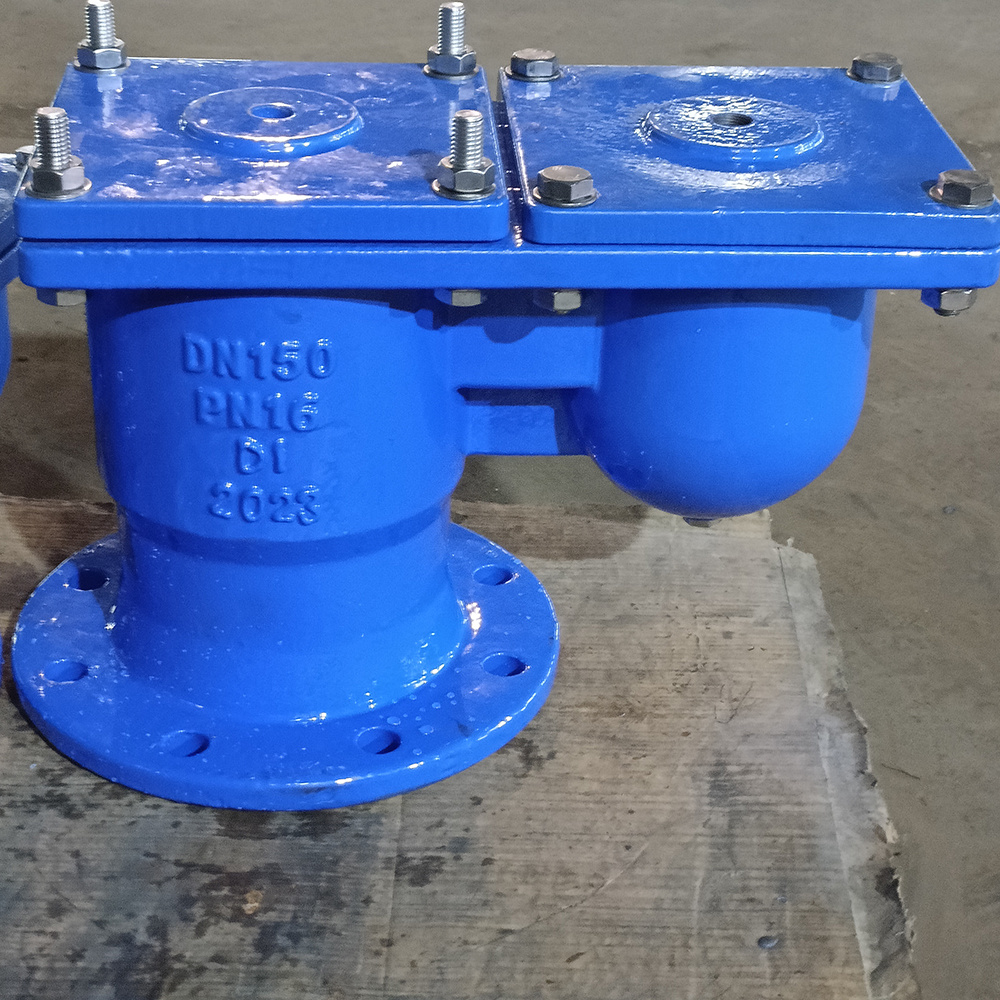
In the realm of industrial operations, efficiency is key. With the increasing demand for streamlined processes, **dual check valves** have emerged as essential components that significantly enhance productivity. These valves play a pivotal role in managing fluid flow, preventing backflow, and ensuring that systems operate smoothly and reliably. Whether you are in the manufacturing, chemical processing, or water treatment industry, understanding the functionality and advantages of dual check valves can lead to improved operational outcomes.
2. Importance of Dual Check Valves in Industrial Operations
Dual check valves are crucial for maintaining the integrity and efficiency of various systems. Their primary function is to prevent backflow, which can cause contamination, damage equipment, and disrupt workflows. By ensuring that fluids flow in the intended direction, these valves protect downstream components and maintain system pressure, thereby enhancing overall productivity.
The importance of dual check valves extends beyond just preventing backflow. They also contribute to safety measures within industrial environments. In scenarios where hazardous fluids are involved, having a reliable check valve can prevent accidents and ensure compliance with safety regulations.
3. How Dual Check Valves Work
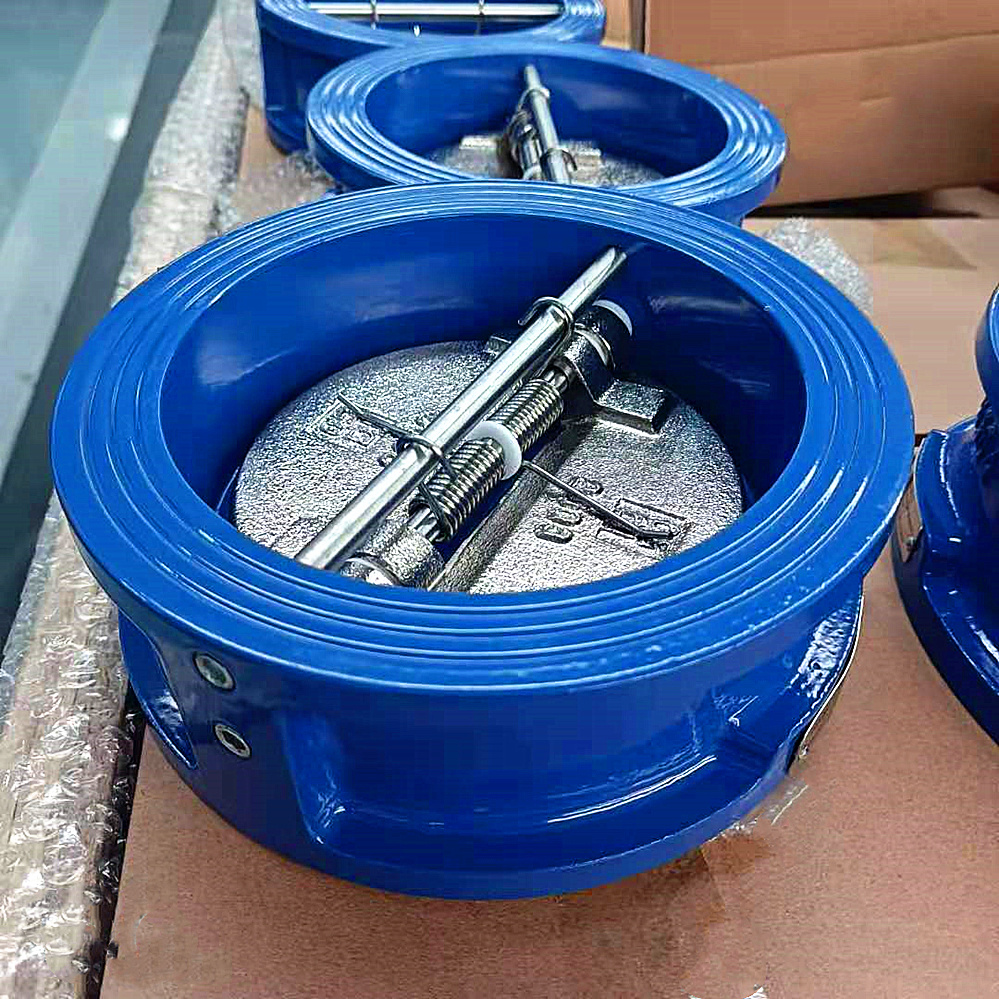
To fully appreciate the role of dual check valves, it is essential to understand their working mechanism. A dual check valve consists of two independent check mechanisms that open and close based on pressure differences.
When the pressure of the fluid entering the valve exceeds the pressure on the outlet side, the valve opens, allowing flow. Conversely, if the outlet pressure exceeds that of the inlet, the valve closes, preventing backflow. This dual action ensures that the system remains pressurized and that the flow direction is maintained, which is crucial for preventing contamination and ensuring system efficiency.
4. Key Benefits of Dual Check Valves
The implementation of dual check valves in industrial settings comes with a multitude of benefits:
4.1 Enhanced Flow Control
By allowing fluid to flow in only one direction, dual check valves facilitate optimal flow control, which is vital for various industrial processes.
4.2 Prevents Contamination
One of the most significant advantages of dual check valves is their ability to prevent backflow, which can lead to contamination of fluids and materials. This is particularly important in industries like food and beverage, pharmaceuticals, and chemicals, where product purity is paramount.
4.3 Increased Equipment Longevity
By preventing backflow and thus reducing the risk of pressure surges and fluid contamination, dual check valves contribute to the longevity of equipment. This results in lower maintenance costs and fewer repairs over time.
4.4 Cost Efficiency
Investing in dual check valves can lead to significant cost savings in the long run. By enhancing system efficiency, reducing downtime, and minimizing maintenance needs, these valves pay for themselves through improved operational performance.
5. Applications of Dual Check Valves in Various Industries
Dual check valves find applications across a wide range of industries, each benefiting from their unique capabilities:
5.1 Water Treatment Plants
In water treatment facilities, dual check valves ensure that treated water does not flow back into contaminated sources, thereby maintaining water quality.
5.2 Chemical Processing
In chemical plants, these valves prevent the backflow of hazardous materials, protecting equipment and ensuring safe operations.
5.4 HVAC Systems
In heating, ventilation, and air conditioning systems, dual check valves help maintain proper airflow and prevent pressure drops, contributing to energy efficiency.
5.4 Oil and Gas Industry
In oil and gas applications, dual check valves are used to prevent backflow in pipelines, safeguarding both the environment and equipment.
6. Proper Installation of Dual Check Valves
The effectiveness of dual check valves largely depends on proper installation. Here are some essential guidelines:
6.1 Selecting the Right Valve
Ensure you choose a valve that matches your system specifications, including pressure rating and fluid type.
6.2 Location of Installation
Install the valve at points where backflow is likely to occur, such as at the discharge of pumps or in system branches.
6.3 Ensuring Proper Orientation
Install the valve in the correct orientation as indicated by the arrow on the valve body. Incorrect orientation can lead to malfunction.
7. Maintenance Tips for Longevity
Routine maintenance is critical for the long-term efficiency of dual check valves. Here are some tips to ensure optimal performance:
7.1 Regular Inspections
Schedule regular inspections to check for any signs of wear, leakage, or damage.
7.2 Cleaning
Keep the valve clean and free from debris, which can impede functionality.
7.3 Testing Functionality
Periodically test the valve to ensure it opens and closes as intended, maintaining proper flow direction.
8. Frequently Asked Questions
8.1 What is the difference between a single check valve and a dual check valve?
A single check valve has one mechanism that prevents backflow, while a dual check valve has two independent mechanisms for added reliability.
8.2 Can dual check valves handle different types of fluids?
Yes, but it is essential to select a valve specifically designed for the fluid type you are using, whether it's water, oil, or chemicals.
8.3 How do I know if my dual check valve is malfunctioning?
Signs of malfunction can include unusual noises, leaks, or decreased system pressure. Regular inspections can help identify issues early.
8.4 Are dual check valves suitable for high-pressure applications?
Many dual check valves are designed to handle high pressure, but always check the manufacturer’s specifications to ensure suitability.
8.5 What is the lifespan of a dual check valve?
With proper maintenance, dual check valves can last many years, often upwards of 10-15 years, depending on the application and environment.
9. Conclusion
In the fast-paced world of industrial operations, maintaining productivity is essential. **Dual check valves** offer a simple yet effective solution to prevent backflow, enhance flow control, and ensure the longevity of equipment. By understanding their functionality, benefits, and applications, industries can leverage dual check valves to create smoother, more efficient workflows. Incorporating these valves into your system not only safeguards your processes but also contributes to a safer and more productive working environment. Investing in quality dual check valves is a step towards achieving operational excellence.
Dual check valve
Veyron Valve (Tianjin) Co., Ltd.
Tel:+86 13821711216
Wechat/whatsapp:+86 13821711216
E-mail:anna@veyronvalve.com
Address:No.30,Xiaozhan Industrial park,Jinnan District,Tianjin,China