





Why Precision Industrial Valve Engineering Defines Modern Pipeline Reliability
2026-05-19
In the complex circulatory system of modern industry, where high-pressure fluids and gases pulse through thousands of miles of steel, the margin for error is nonexistent. Whether it is a massive natural gas pipeline traversing a desert or a delicate chemical processing plant, the integrity of the entire operation rests upon the shoulders of one critical component: the industrial valve. But a valve is more than just a piece of hardware; it is the culmination of decades of research, a masterpiece of metallurgy, and the ultimate expression of industrial valve engineering.
At Veyron Valve (Tianjin), we understand that in the world of high-stakes flow control solutions, "good enough" is a dangerous philosophy. Our commitment to engineering excellence is not just about meeting industry standards—it is about anticipating the invisible forces that threaten pipeline integrity every day.
The Invisible Architecture of Industrial Flow Control
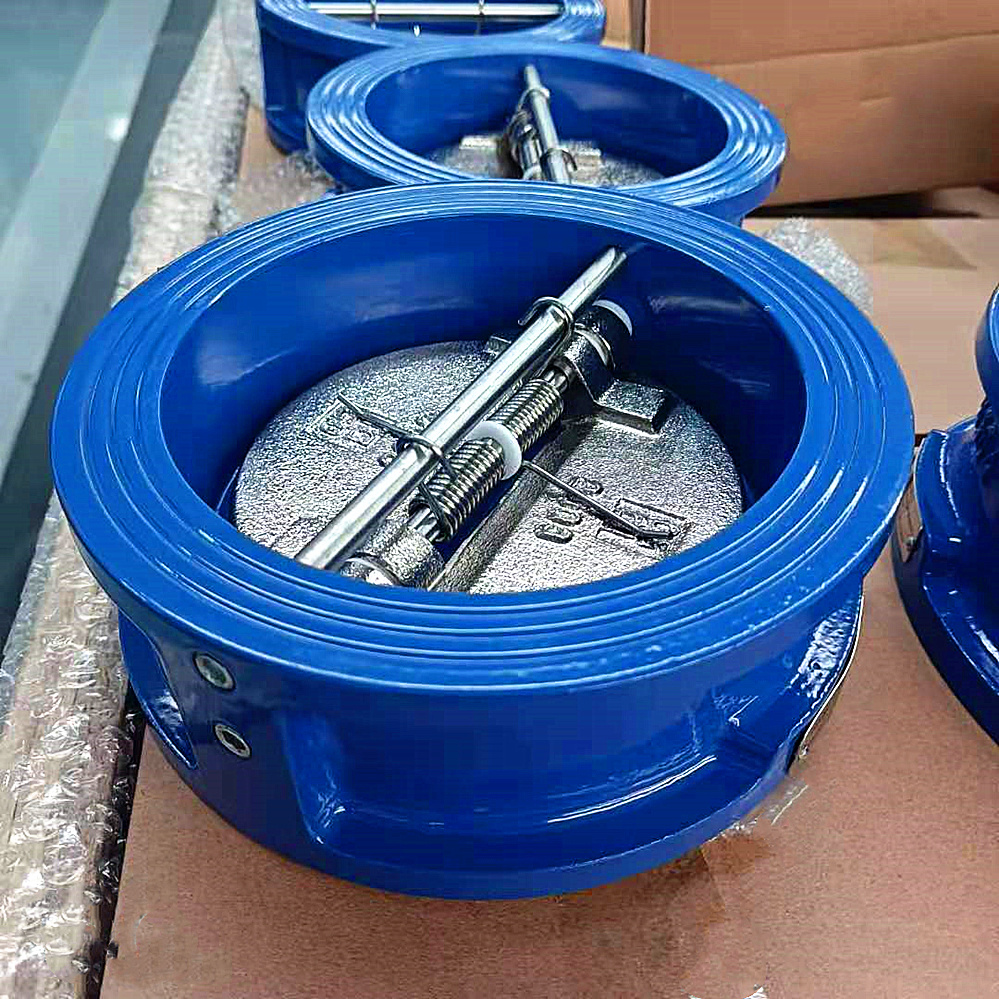
To the untrained eye, a valve might look like a simple mechanical lever or wheel. However, the internal architecture of a high-performance valve is a battleground of physics. When a valve closes, it doesn't just block flow; it must dissipate the kinetic energy of a moving fluid, resist the abrasive clawing of particulates, and maintain a hermetic seal against pressures that would crush a submarine.
Modern industrial valve engineering focuses on the concept of "Laminar Integrity." Every curve in the valve body, every angle of the wedge or ball, is meticulously designed to minimize turbulence. Why? Because turbulence is the precursor to erosion. In severe service applications, even a slight miscalculation in internal geometry can lead to cavitation—a phenomenon where vapor bubbles implode with enough force to pit solid stainless steel. By optimizing the flow path, we extend the life of the asset and ensure that the flow control solutions we provide remain operational for decades, not just years.
Metallurgy: The Foundation of Severe Service Reliability
The true soul of a valve lies in its material composition. In an era where pipelines are pushing into more corrosive environments and higher temperatures, the choice of alloy is no longer a simple checkbox on a procurement form. It is a strategic decision that determines the safety of the entire facility.
In our engineering process, we go beyond standard specifications. While a project might call for a standard WCB (Carbon Steel) or CF8M (Stainless Steel) valve, we examine the microscopic grain structure of the metal. For high-pressure steam or hydrogen service, "Intergranular Corrosion" and "Hydrogen Embrittlement" are constant threats.
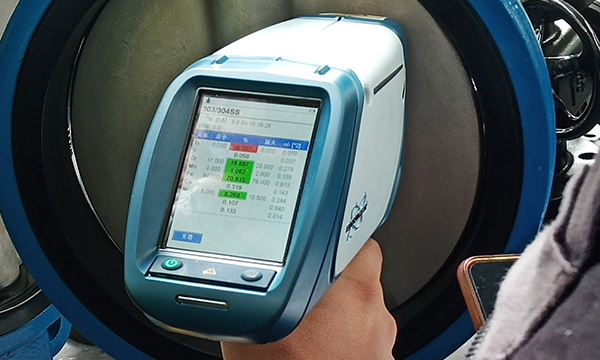
We utilize advanced heat treatment protocols, such as normalizing and solution annealing, to ensure that the crystalline lattice of the metal is uniform. This obsession with metallurgical integrity is what allows a Veyron valve to maintain its structural properties at 500°C or withstand the sub-zero bite of cryogenic LNG service. We aren't just selling steel; we are selling a chemical barrier that protects your infrastructure from the ravages of time and chemistry.
The Pursuit of Zero Leakage: A Micron-Level Challenge
In the industrial world, a leak is more than just a loss of product; it is a safety hazard and an environmental liability. The quest for "Zero Leakage" is the primary driver of innovation in industrial valve engineering. Achieving this level of performance requires a level of precision that bridges the gap between heavy industry and watchmaking.
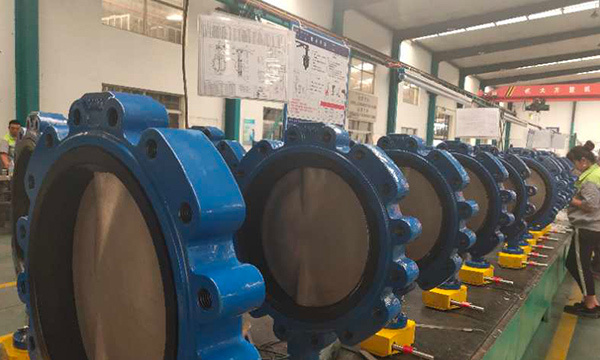
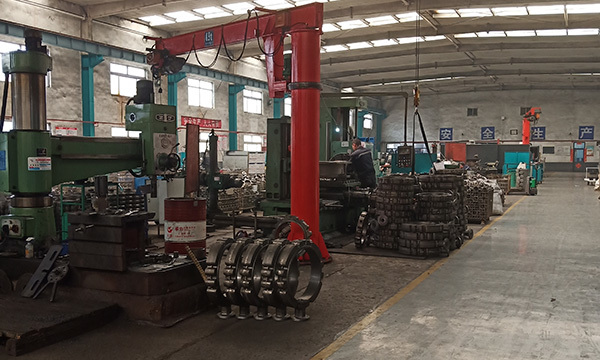
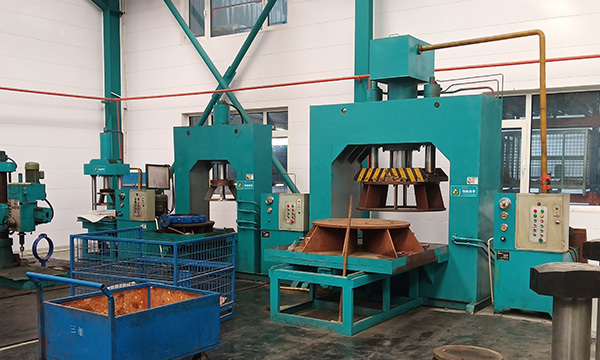
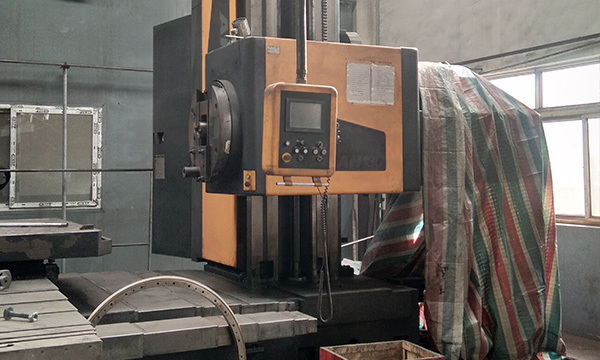
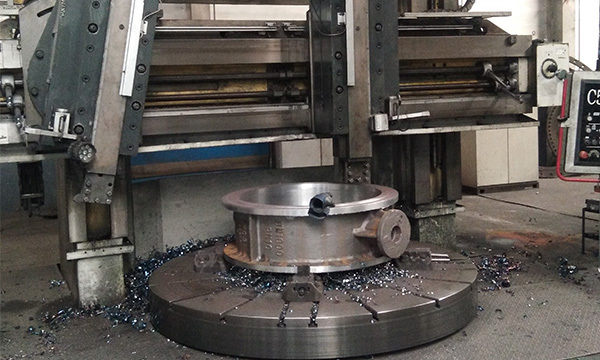
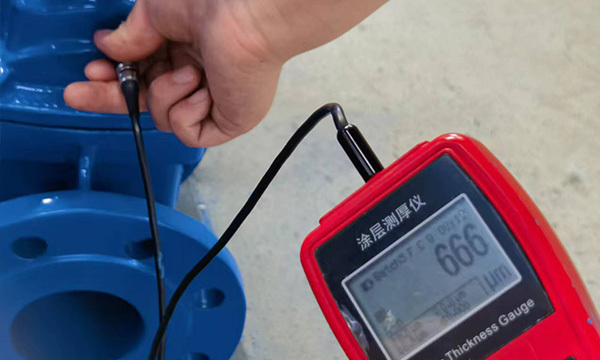
The interface between the valve seat and the sealing element (the ball, disc, or wedge) is where the most critical engineering takes place. To achieve a bubble-tight seal at 2500 PSI, the surfaces must be lapped to a flatness measured in light bands. At our facility in Tianjin, our technicians combine high-precision CNC machinery with the ancient art of hand-lapping to achieve a finish so smooth it feels frictionless to the touch.
This precision is vital because of "Wiredrawing." If a seal has even a microscopic imperfection, high-pressure gas will find it. As the gas escapes, it accelerates to supersonic speeds, cutting through the metal seat like a diamond-tipped saw. By ensuring absolute surface contact, we eliminate the potential for these micro-leaks, providing flow control solutions that stay sealed even under the most extreme pressure cycles.
Navigating Global Standards: API, ASME, and the Culture of Compliance
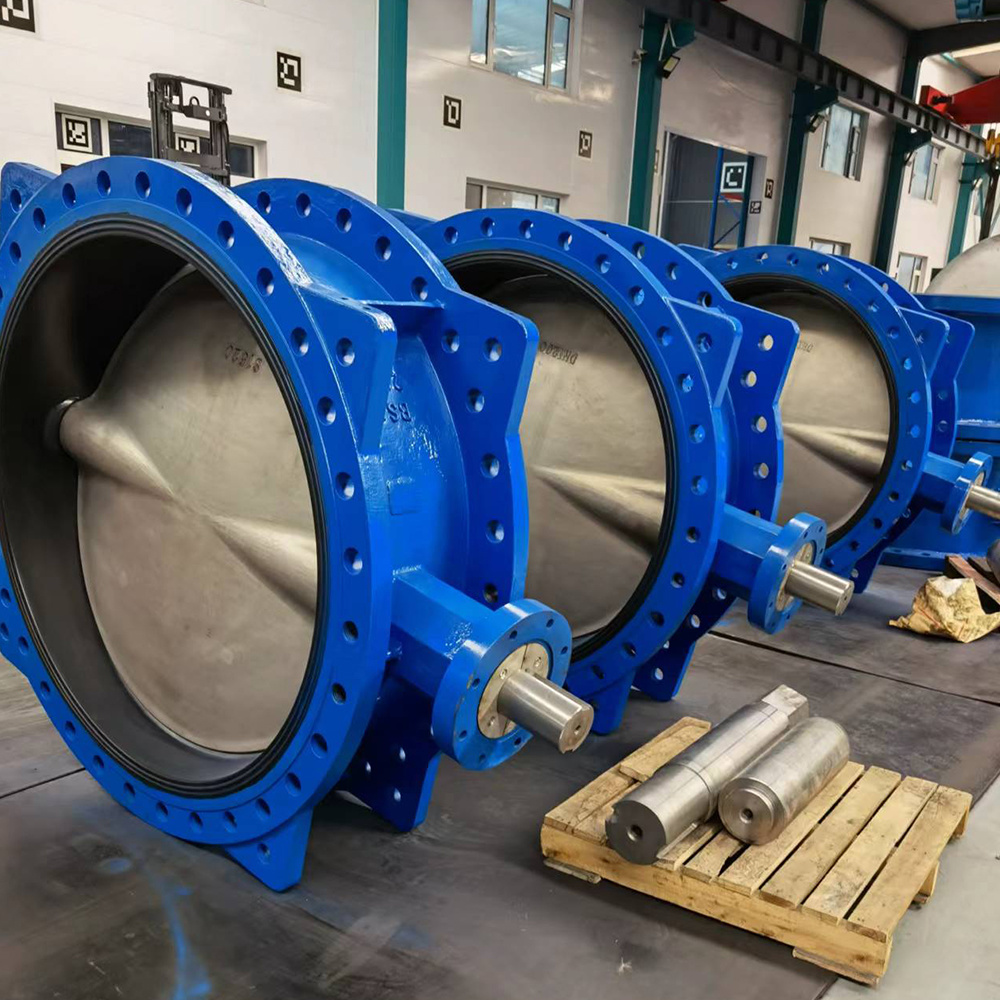
In a globalized economy, a "China valve manufacturer" must speak the international language of safety. However, at Veyron Valve, we view standards like API 6D, API 600, and ASME B16.34 as the floor, not the ceiling. True engineering excellence involves understanding the "why" behind the standard.
For example, when we design a valve to API 607 fire-safe standards, we aren't just looking to pass a test. We are imagining a worst-case scenario where a refinery fire has destroyed the primary soft seals. Our engineering ensures that a secondary metal-to-metal seal engages automatically, preventing the valve from fueling the fire with more product. This proactive approach to safety is what distinguishes a specialized engineering partner from a generic supplier.
The Tianjin Advantage: Scaling Precision for a Global Market
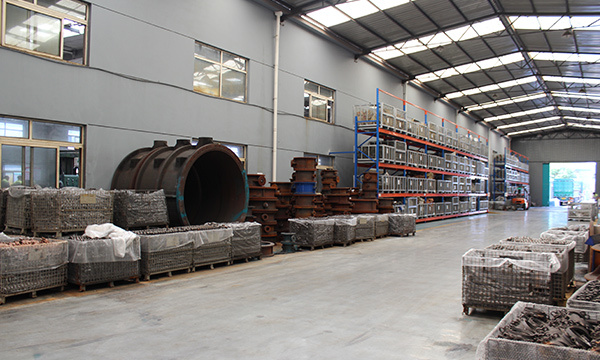
Tianjin has long been recognized as the heartbeat of China’s industrial manufacturing. But for Veyron Valve, being based in this hub provides more than just logistics. it provides access to a legacy of technical expertise and a supply chain that allows us to scale precision.
When we fulfill a large-scale order for a multinational oil major, we maintain a "Single-Valve Traceability" system. Every component, from the smallest bolt to the primary body casting, has a digital footprint. This data-driven approach to manufacturing ensures that the precision we achieve in a prototype is replicated across a thousand units. This marriage of massive industrial capacity with surgical engineering precision is the "Tianjin Advantage" that we bring to the global market.
The Future of Flow Control: Digital Integration and Sustainability
As we look toward the next decade of industrial valve engineering, the focus is shifting toward "Smart Flow Control." The integration of sensors and actuators allows for real-time monitoring of valve health, predicting failures before they occur.
Furthermore, sustainability is becoming a core engineering requirement. "Fugitive Emissions" (unintended leaks of gas from valve stems) are a major focus for companies aiming for Net Zero. At Veyron, we are pioneering low-emission packing technologies that exceed ISO 15848-1 requirements, ensuring that our valves contribute to a cleaner, more efficient industrial future.
Engineering Confidence for Every Turn of the Wheel
At the end of the day, a valve is a promise. It is a promise that when a worker turns a handwheel or an operator clicks a button in a control room, the fluid will stop. It is a promise that the environment will be protected and that the process will remain under control.
Veyron Valve (Tianjin) doesn't just build valves; we build confidence. Every calculation, every weld, and every micron of polishing is done with the understanding that our work is the silent guardian of your most valuable assets. In the complex world of industrial valve engineering, we are the experts who ensure your flow remains exactly where it belongs.
Ready to upgrade your infrastructure with world-class flow control solutions?
Explore the Veyron Valve Product Line or Consult with our Engineering Team to find the perfect fit for your severe service application.
Industrial Valve Engineering
Previous page
Previous page
Veyron Valve (Tianjin) Co., Ltd.
Tel:+86 13821711216
Wechat/whatsapp:+86 18822206187
E-mail:anna@veyronvalve.com
Address:No.30,Xiaozhan Industrial park,Jinnan District,Tianjin,China
© 2023 Veyron Valve (Tianjin) Co., Ltd.